Zoe Schmitt · 21 October 2026
Volunteer Reports Illuminating Seasonal Shifts in Remote Trail Ecosystems
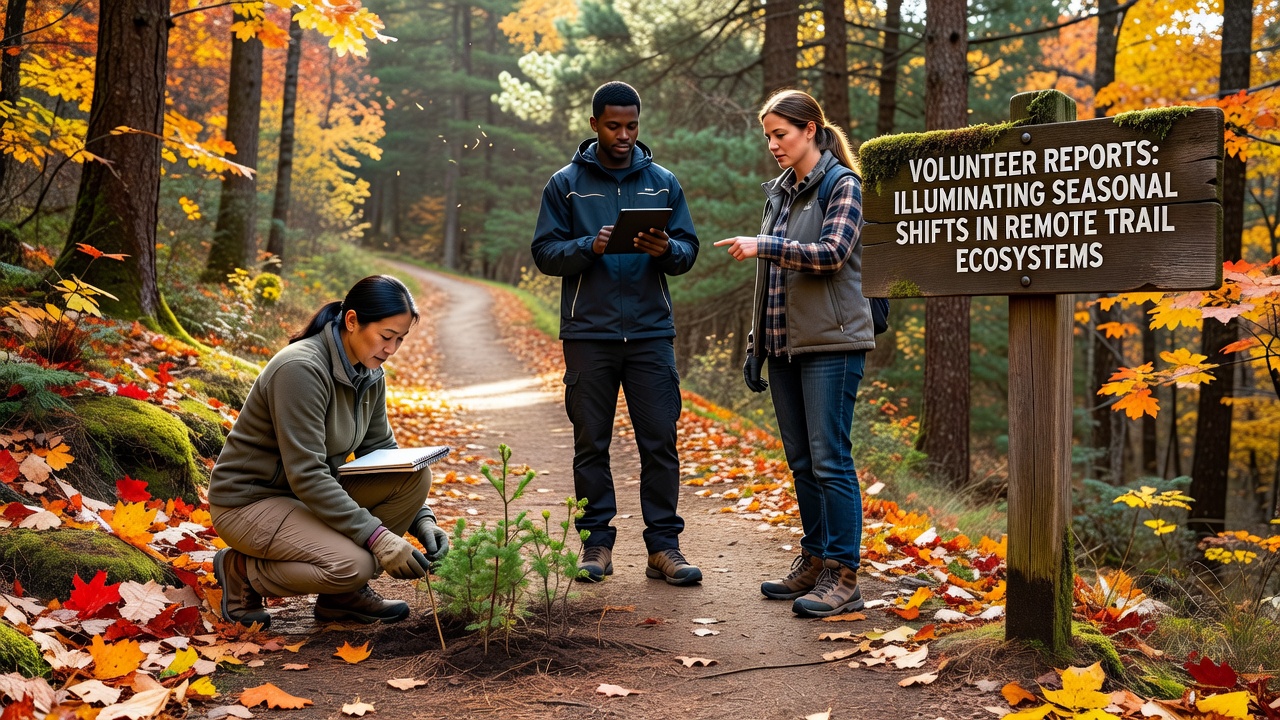
Volunteer networks across remote trail systems have compiled extensive datasets that highlight seasonal variations in ecosystems from the Rocky Mountains to the Scottish Highlands and the Australian Alps, and these contributions continue to expand as submission platforms improve data collection methods while maintaining standardized protocols for observations of flora, fauna, and environmental indicators.
Data Collection Methods in Remote Areas
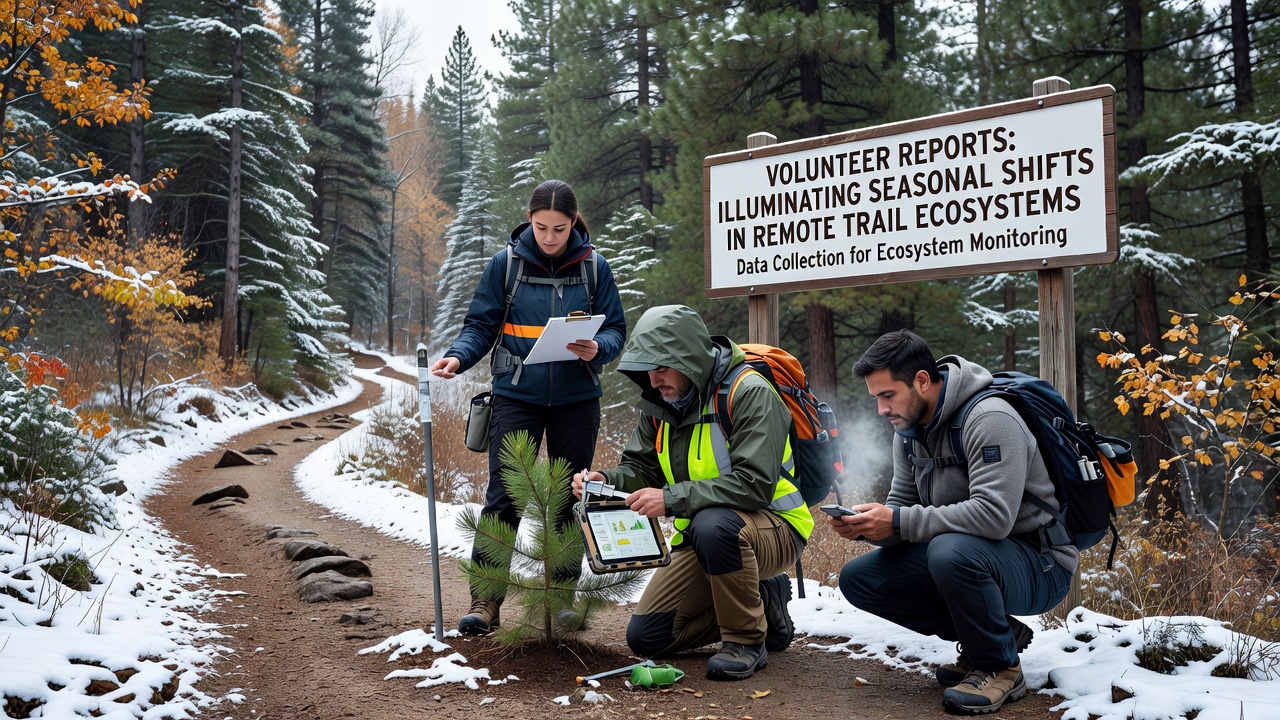
Observers record details such as plant phenology stages, wildlife sightings, and trail surface conditions using mobile apps and paper forms that feed into centralized databases managed by organizations like the US Geological Survey and Parks Canada, and this approach allows for consistent tracking across seasons even in areas with limited infrastructure where professional monitoring teams visit infrequently.
Reports from October 2026 show increased submissions from high-elevation trails in North America, where volunteers noted delayed snowmelt compared to previous years alongside earlier frost events affecting understory plants, and these patterns emerge when multiple contributors submit overlapping data points from the same regions over consecutive weeks.
Observed Shifts in Vegetation and Wildlife
Seasonal transitions appear in volunteer logs through changes like extended growing periods for certain alpine grasses combined with reduced berry yields on shrubs that support local bird populations, while migration timings for species such as elk and caribou shift by several days in response to temperature fluctuations recorded at trailheads and remote passes.
Researchers cross-reference these field notes with satellite imagery to verify ground-level findings, and the combined datasets reveal correlations between volunteer-reported trail erosion rates and precipitation patterns that intensify during shoulder seasons like late spring and early fall.
Regional Examples from Global Trail Networks
In the Pacific Northwest, volunteer groups along the Pacific Crest Trail segment have documented earlier wildflower blooms followed by quicker drying of meadows, and similar trends appear in European networks where contributors in the Alps report extended periods of bare ground before winter snow accumulation begins in earnest.
Australian volunteer programs in the Blue Mountains track eucalyptus leaf drop cycles alongside koala movement patterns, and these records indicate adjustments in seasonal water availability that influence both vegetation health and animal distribution along less-traveled paths.
One study coordinated through university partnerships integrated volunteer observations from Canada and the northern United States to map shifts in insect emergence times, and the resulting analysis connected these changes to broader temperature trends without relying solely on automated sensors.
Integration with Broader Monitoring Efforts
Trail reports supplement official surveys conducted by agencies such as the US Forest Service and Environment and Climate Change Canada, creating denser coverage in remote zones where access remains challenging, and this layered information helps identify anomalies like unexpected fungal growth or altered stream flows during transitional months.
Submission volumes peak during popular hiking periods yet maintain steady input from dedicated year-round participants who focus on specific indicators such as soil moisture levels and bird call frequencies, and these consistent contributions allow analysts to distinguish temporary weather events from longer-term seasonal adjustments.
Conclusion
Volunteer reports continue to provide granular insights into ecosystem dynamics along remote trails, and ongoing aggregation of these observations supports refined models of seasonal variability when combined with institutional datasets from multiple countries, and the practice expands as more participants adopt standardized reporting tools that improve data reliability across diverse geographic areas.